
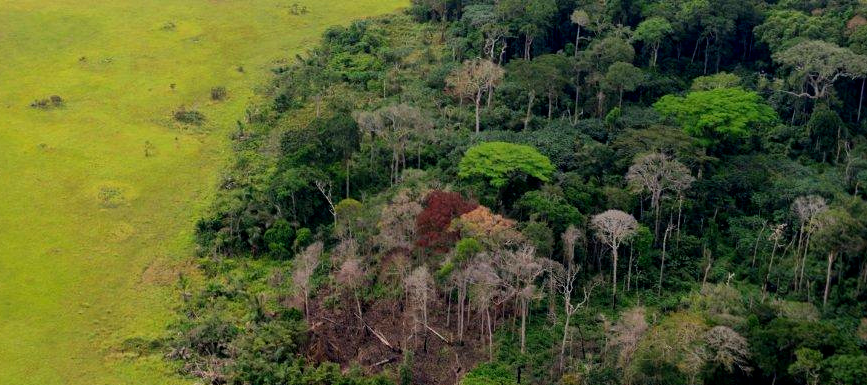
WWF’s largest REDD project in Africa is in Mai Ndombe province, in the Democratic Republic of Congo. According to WWF, the results so far are “very encouraging”. On its website, WWF states that, “The participatory approach through local development committees has proven to be a success with effective achievements.”
Tag: REDD and rights
Leaders of the Jaminawa indigenous people demand a stop to people speaking on their behalf about REDD in Acre, Brazil
Two weeks ago, REDD-Monitor posted a letter from indigenous peoples in Acre, Brazil announcing their support for the work of the Indigenous Missionary Council (CIMI) in Acre. The letter was part of an on-going discussion in Brazil about REDD in Brazil and its impacts on indigenous peoples.

Indigenous peoples in Acre, Brazil announce their support for CIMI’s work in support of indigenous peoples
REDD is at the centre of a tense discussion in Brazil’s indigenous community. Some indigenous people support REDD, others oppose it. Ecosystem Marketplace has jumped into fray, accusing the Indigenous Missionary Council (CIMI) in the state of Acre of “intentionally sabotaging a program that has enabled [indigenous peoples] to save their forests”.
Indigenous peoples, REDD safeguards, and the green economy
The social impacts of REDD on indigenous peoples and local communities who are dependent on forests has been controversial since REDD was included in the Bali Road Map at COP 13 in 2007. But over the past ten years, debate over whether REDD projects are desirable has been, to some extent at least, marginalised by…

Norway’s REDD success narrative is fake: The case of the Kondoa Irangi REDD+ Project in Tanzania
The Kondoa Irangi REDD+ Project covers an area of 56,291 hectares in Kondoa district in north-central Tanzania. The project was carried out from 2010 to 2014 by the African Wildlife Foundation, with support from the Tanzanian Government and the Royal Norwegian Embassy.